


Conservation and restoration
The conservation and restoration of the collection are among the Museum’s day-to-day responsibilities. Restoring puppets requires a multidisciplinary range of skills that goes beyond technical expertise in the various aspects of conservation and restoration, and also calls for an in-depth understanding of the history of puppetry around the world.
It is necessary to identify different types of puppets, original materials, manipulation systems, alterations or modifications, among many other possible changes.
Working alongside the Museum team, the conservator-restorer is responsible for monitoring and maintaining the collection in storage and the objects on long-term exhibition, as well as ensuring the appropriate storage and packing of the collection in reserve.
The conservation and preservation of puppets involves not only their physical materials, but also the preservation of their functional identity, manipulation techniques, contexts of creation, and their cultural, geographical and chronological specificities.
FIND OUT MORE
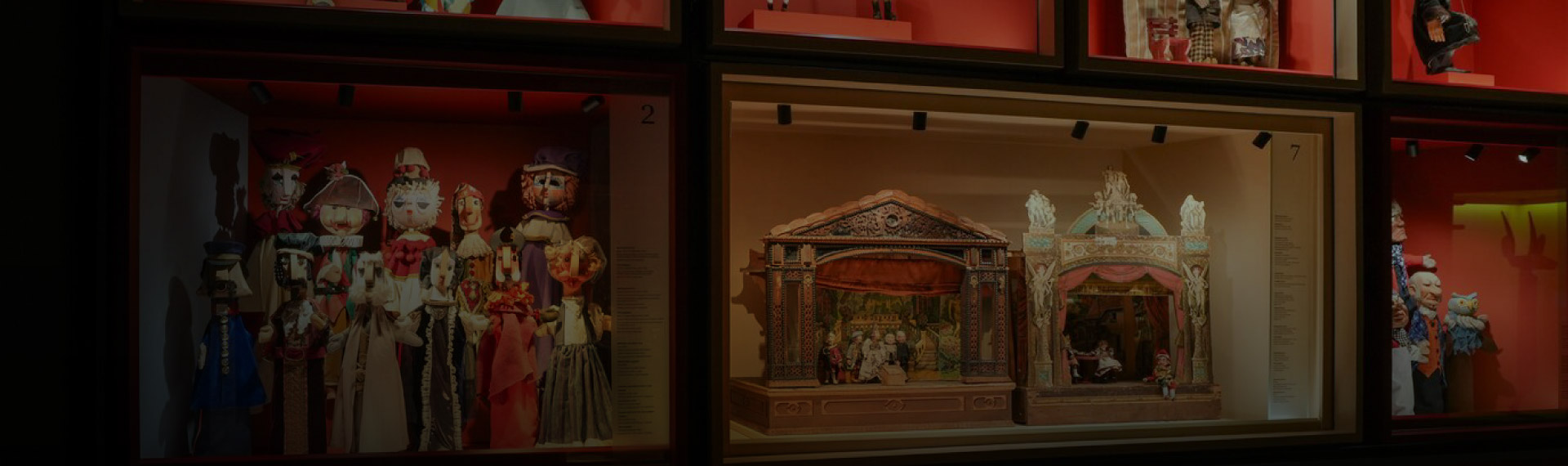
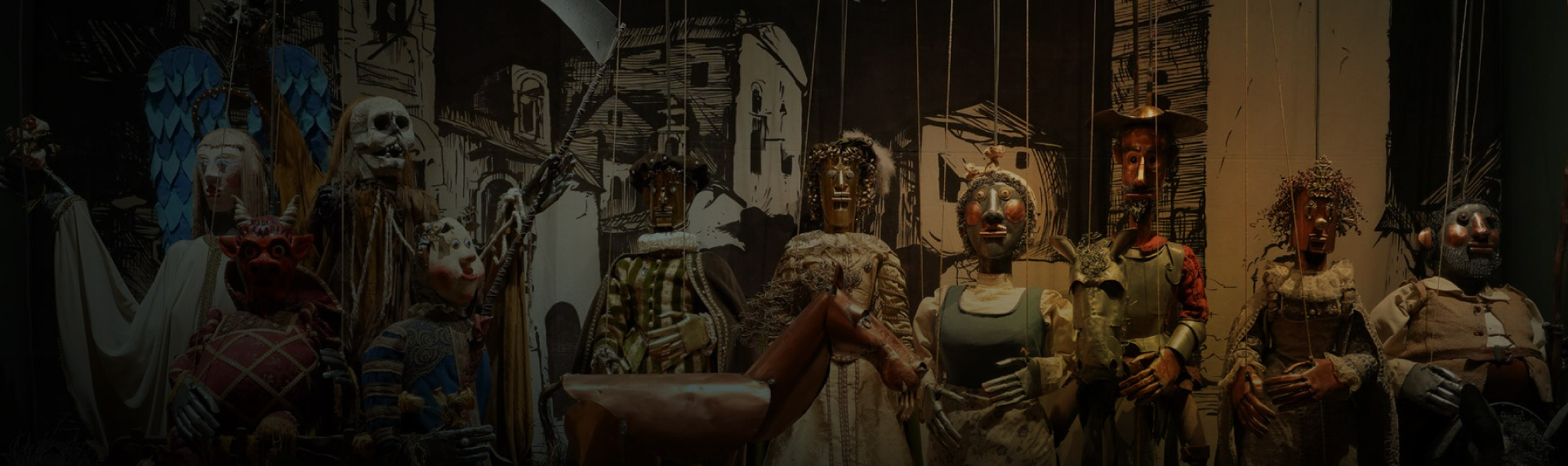
Often made using everyday materials, puppets are composite objects. A single puppet may combine a wide range of materials, including wood, textiles, metal, leather, papier-mâché, natural or synthetic hair, feathers, plastics and natural fibres such as cotton, linen, wool and silk, as well as synthetic fibres such as polyester and viscose.
Other materials may also be used, including fibreglass, polyurethanes, organic or synthetic adhesives, and natural, plastic or acrylic paints, among many others.
These characteristics make puppets particularly complex objects from a conservation and restoration perspective, especially within a museum context. When in use, puppets are often repaired by puppeteers themselves over generations: costumes are remade, bodies are repainted, and manipulation mechanisms are repaired or reconstructed, always with the aim of ensuring that the puppet remains capable of performing.
Within a museum context, whether on display or kept in storage, numerous questions arise. These include preserving the puppet in its original form, preventing deterioration, and ensuring that its movement mechanisms remain functional. Puppets are designed to be manipulated, moved and used in performance. Control bars, manipulation systems, joints and internal mechanisms are integral to their identity. Conserving these objects therefore requires an understanding of how they work, while respecting their historical integrity and their ability to bear witness to the ways in which they were created to be used.
Whether traditional and historical or made using contemporary materials, the construction of a puppet often involves a combination of very different materials, with contrasting characteristics in terms of strength and durability.
Tensions between materials can cause deformation in specific parts of the puppet or contribute to the deterioration of elements such as joints. A wooden head with glass eyes, natural hair, cotton and silk clothing, an iron rod and cotton strings for manipulation brings together materials with very different vulnerabilities and conservation requirements. The glass used for the eyes may be relatively resistant to humidity, mould, fluctuations in temperature and light, unlike wood, textiles and metal, which may be vulnerable to mould, pests or rust.
The same applies to textiles, the different types of leather and painted surfaces used in shadow puppets, as well as foams, polystyrenes, silicones and other materials used in the construction of contemporary puppets.
Each intervention must be carefully considered, with the aim of stabilising deterioration processes and ensuring the preservation of the object without compromising its historical, artistic and documentary values.
Many objects are unique examples, created for specific companies, artists or performances, representing fragile and irreplaceable forms of cultural heritage. Their conservation helps ensure that future generations can discover not only the objects themselves, but also the cultural richness of the theatrical and puppetry traditions from which they emerged.